How 3D Virtual Theaters Are Transforming After-School Programs & Growing Enrollment
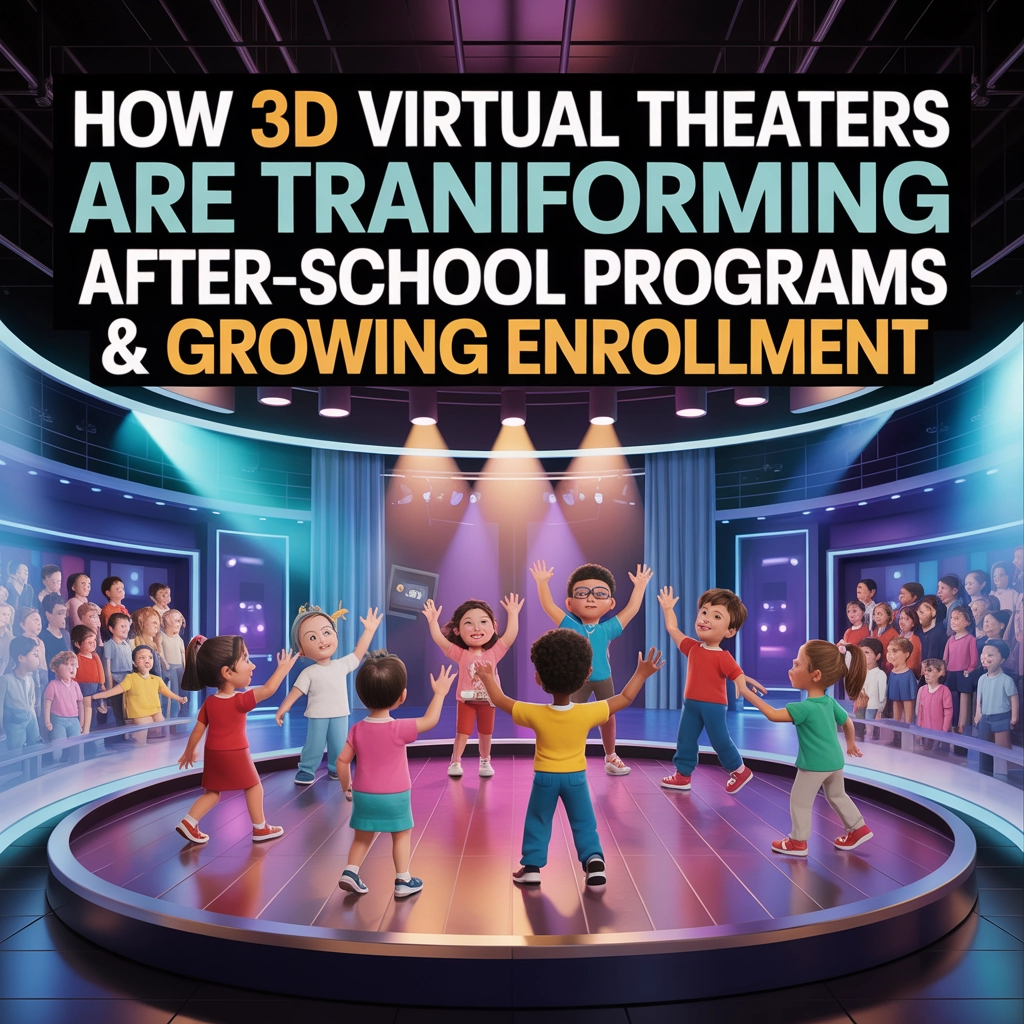
The Evolution of After-School Programs: From Basic to Breakthrough
Remember when after-school programs meant simple arts and crafts, basic sports activities, or traditional tutoring sessions? While these conventional approaches have served generations of students well, today's digital natives crave more immersive, technology-driven experiences that reflect the world they're growing up in.
Traditional after-school programs face increasing challenges: dwindling attention spans, competition from digital entertainment, and parents seeking measurable educational outcomes alongside engaging activities. School owners consistently report that maintaining enrollment numbers requires more innovative approaches than ever before.
"We were losing students to video games and social media," says Maria Chen, a dance studio owner in Portland. "No matter how much we improved our traditional classes, we couldn't compete with the digital world that captivates kids' attention."
This struggle is precisely why forward-thinking educational businesses are embracing 3D virtual theaters and competition platforms – they're bridging the gap between education and entertainment while delivering concrete results for both students and business owners.
Understanding 3D Virtual Theaters in Education
3D virtual theaters aren't just fancy tech additions to educational programs – they represent an entirely new approach to learning and engagement. At their core, these platforms create immersive digital environments where students can participate in virtual competitions, performances, and collaborative projects.
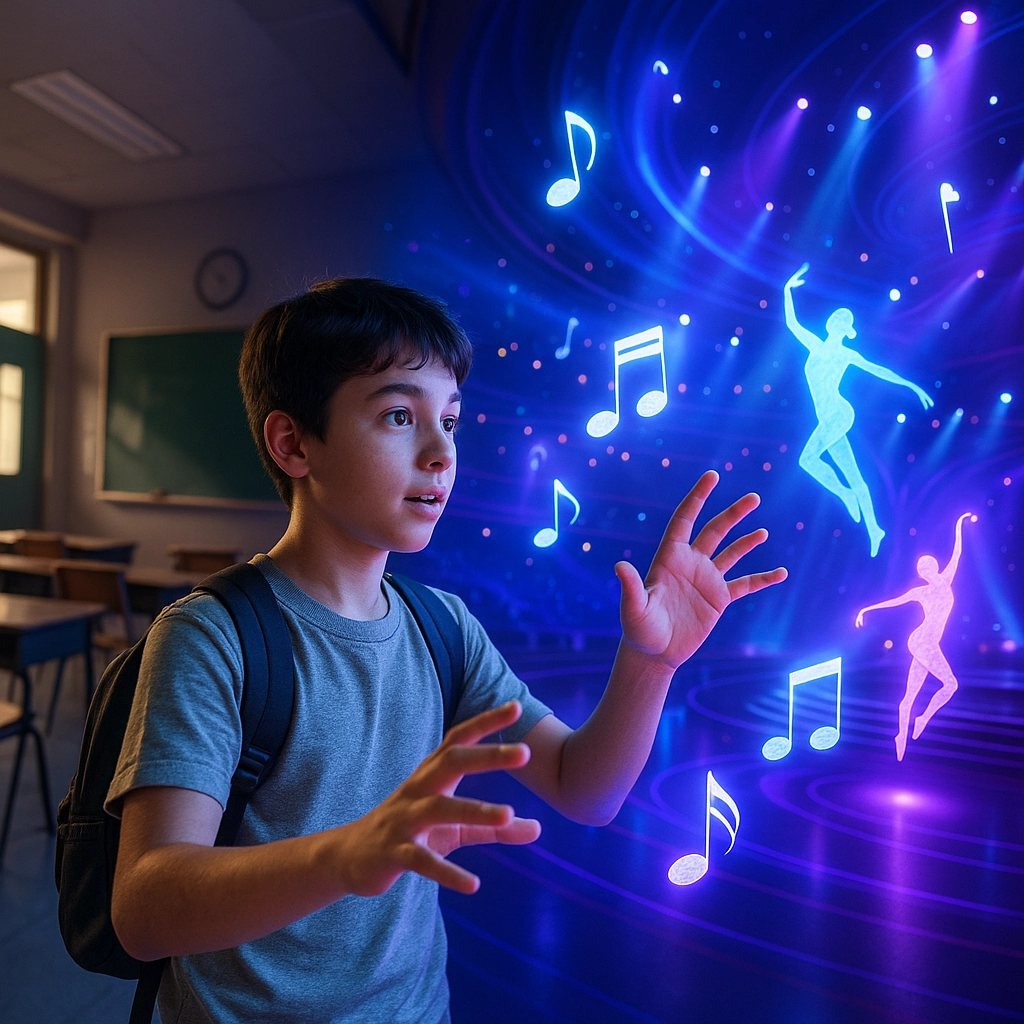
Unlike passive screen time, 3D virtual theaters transform students from content consumers into active creators and participants. Through Virtual Competitions Online's platform, students can:
- Showcase performances in visually stunning 3D environments
- Compete in virtual competitions with peers globally
- Receive feedback from judges and instructors anywhere in the world
- Build digital portfolios that demonstrate skill progression
- Engage in collaborative projects regardless of physical location
The technology combines elements of gaming, social media, and educational tools into unified platforms that feel natural to today's students while delivering substantial educational benefits.
The Problem: Engagement Drought and Marketing Fatigue
School owners across disciplines – from dance and martial arts to music and STEM – share common challenges that traditional approaches struggle to address:
Student Engagement Challenges
- Attention Competition: Students have countless entertainment options competing for their attention
- Progress Visibility: Traditional methods often lack clear visual representation of student improvement
- Peer Validation: Today's students seek validation beyond the classroom walls
- Relevance Concerns: Parents and students question how traditional programs prepare them for a digital future
School Owner Pain Points
- Marketing Fatigue: Traditional advertising yields diminishing returns as digital channels become saturated
- Enrollment Plateaus: Many schools report difficulty growing beyond certain enrollment thresholds
- Resource Limitations: Physical space constraints limit how many students can participate
- Community Building: Fostering community beyond class hours becomes increasingly difficult
The result? Many exceptional educational programs struggle to maintain enrollment despite offering high-quality instruction. The gap isn't in educational quality but in engagement approach.
How 3D Virtual Theaters Are Changing the Game
The introduction of 3D virtual theater technology into after-school programs creates transformative opportunities for both students and school owners. Here's how this technology is reshaping the educational landscape:
Enhanced Student Experience
The most immediate impact is on student experience. Rather than simply practicing in physical spaces, students can now:
- Perform in Spectacular Virtual Venues: From grand concert halls to space stations, virtual theaters provide visually stunning environments impossible to recreate physically
- Receive Global Recognition: Virtual Competitions Online connects students to global audiences and judges
- Build Digital Portfolios: Students compile showcases of their virtual performances, creating compelling visual documentation of their progress
- Engage in Asynchronous Learning: Practice, perform, and receive feedback on their own schedules
"My daughter used to be reluctant about her piano recitals," shares parent David Morales. "Since her school introduced virtual performances, she practices voluntarily because she's excited about her upcoming virtual showcase. The beautiful 3D environments make her feel like a professional performer."
Business Transformation for School Owners
For school owners, 3D virtual theaters address core business challenges:
- Expanded Reach: Virtual environments eliminate geographic limitations, allowing schools to reach students beyond their physical location
- Enhanced Marketing: Visual 3D content generates significantly higher engagement on social platforms
- Differentiated Offering: Schools with virtual theater capabilities stand out from competitors
- Increased Revenue Streams: Virtual competitions, showcases, and special events create new monetization opportunities
- Resource Optimization: Virtual components reduce dependency on physical space limitations
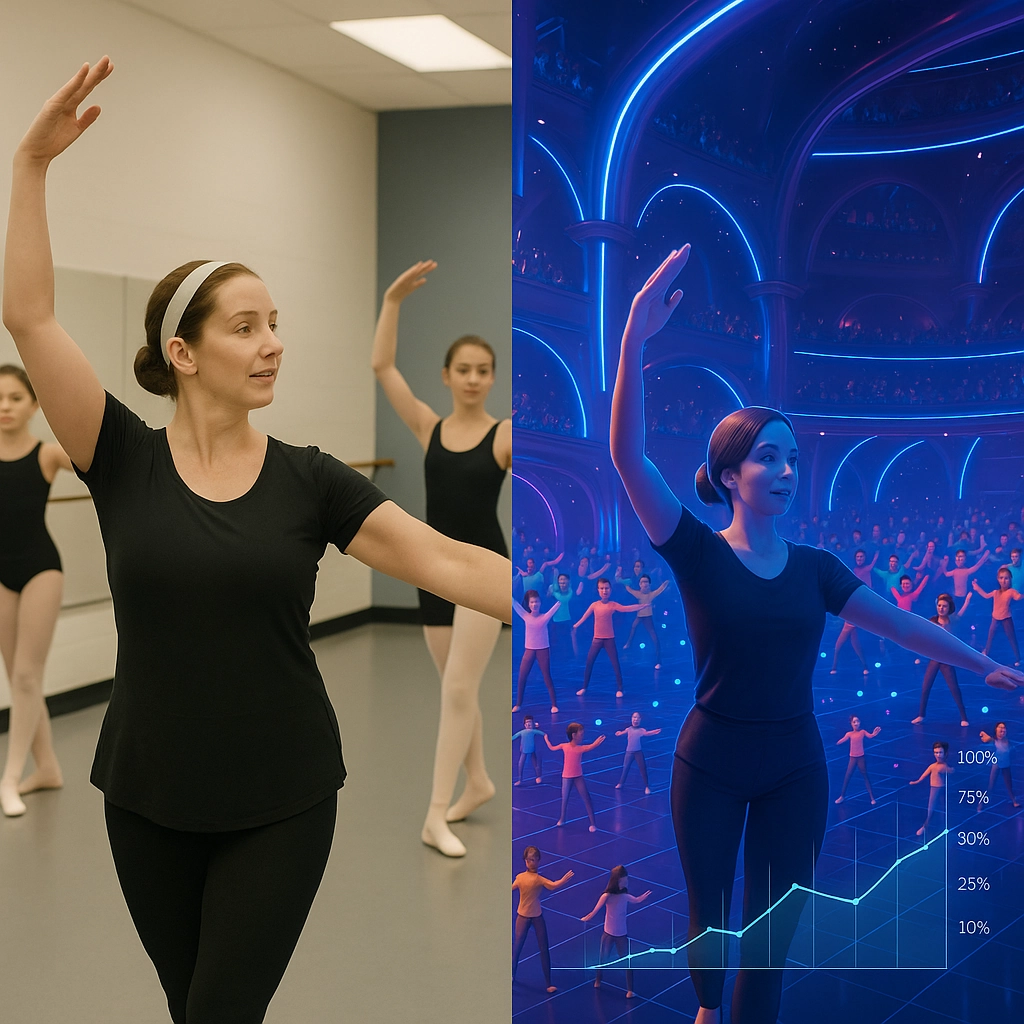
Real-World Success Stories
The impact of 3D virtual theaters becomes clear through specific implementation examples:
Case Study: Harmony Music Academy
Facing enrollment stagnation, Harmony Music Academy integrated Virtual Competitions Online's 3D theater platform. Students could now perform in virtual concert halls and participate in global competitions without travel. The results were remarkable:
- 47% increase in new student inquiries within three months
- 28% improvement in practice consistency reported by parents
- New revenue stream from virtual recital ticket sales to extended family members
- Featured in local media as an innovative education provider
"We were skeptical about technology adding value to music education," admits Academy Director Thomas Lee. "Now our students perform in beautiful virtual concert halls, receive feedback from musicians worldwide, and build impressive digital portfolios. Enrollment is at an all-time high, and student retention has never been stronger."
Case Study: Elite Martial Arts
Elite Martial Arts struggled with demonstrating student progress beyond belt advancement. After implementing virtual competitions and 3D showcase environments:
- Student retention improved by 32% year-over-year
- Social media engagement increased fivefold with shareable 3D performance videos
- Created a new revenue stream through premium virtual competition entries
- Expanded student base by 25% through virtual program offerings
"Parents who were on the fence about enrolling their children now see our virtual competitions and are impressed by the technology integration," explains owner Sarah Johnson. "They recognize we're preparing students for a digital future while maintaining traditional discipline values."
Implementation Strategies for School Owners
Integrating 3D virtual theaters into your after-school program requires strategic planning. Here's a practical implementation roadmap:
- Start with Showcase Events: Begin with virtual showcases of existing student work before expanding to competitions
- Train Instructors First: Ensure your teaching staff is comfortable with the technology before rolling out to students
- Create Clear Participation Pathways: Develop structured progression from basic virtual participation to advanced competitions
- Highlight Success Stories: Feature student achievements in virtual environments across your marketing channels
- Engage Parents as Audience: Invite parents to virtual events to demonstrate the platform's value
- Leverage Social Sharing: Encourage students and families to share virtual performances on social media
- Gather Continuous Feedback: Regularly survey students and parents about their virtual experience
"The key to successful implementation is making the technology accessible to everyone," advises Ron Tramontano, CEO of Virtual Competitions Online. "We designed our platform so schools can gradually integrate virtual components without overwhelming students, parents, or instructors."
Measuring Impact: Key Metrics for Success
How do you know if your 3D virtual theater implementation is successful? Focus on these key performance indicators:
- Enrollment Growth: Track new student acquisition rates before and after implementation
- Retention Improvements: Measure changes in student retention percentages
- Engagement Metrics: Monitor practice frequency, participation rates, and voluntary involvement
- Social Media Traction: Measure shares, comments, and engagement with virtual performance content
- Revenue Expansion: Calculate additional revenue from virtual events, competitions, and new program offerings
- Parent Satisfaction: Survey parents regarding perceived value and willingness to recommend
The Future of After-School Programs
The integration of 3D virtual theaters into after-school programs isn't just a temporary trend – it represents the future of education where physical and virtual experiences blend seamlessly. As technology continues advancing, we anticipate:
- AI-Enhanced Feedback: Automated assessment providing students with immediate improvement suggestions
- Cross-Discipline Collaboration: Virtual environments enabling unprecedented collaboration between different arts and educational disciplines
- Global Competition Networks: Standardized virtual competition platforms connecting students worldwide
- Augmented Reality Integration: Bridging physical classrooms with virtual performance spaces
Getting Started with Virtual Competitions Online
Ready to transform your after-school program with 3D virtual theaters? The process is simpler than you might expect:
- Register your school on the Virtual Competitions Online platform
- Schedule a demonstration with our implementation team
- Select your virtual theater environments and competition formats
- Train your instructors using our comprehensive onboarding resources
- Introduce the platform to your students and parents
- Host your first virtual showcase or competition
"The platform is designed to grow with you," explains Tramontano. "Start with basic implementations and expand as your comfort level increases. Schools that begin with simple showcase events often progress to hosting their own branded competitions within months."
Conclusion: Embracing the Virtual Revolution
The transformation of after-school programs through 3D virtual theaters represents a pivotal moment in educational evolution. By bridging traditional instruction with cutting-edge technology, forward-thinking school owners are not only solving persistent engagement and enrollment challenges but creating entirely new possibilities for student growth and business expansion.
As physical and digital worlds continue converging, the question for after-school program owners is no longer whether to incorporate virtual elements, but how quickly and comprehensively to implement them. The schools embracing this transformation today are positioning themselves as leaders in education's inevitable digital future.
For more information on implementing 3D virtual theaters in your after-school program, contact Virtual Competitions Online or explore our upcoming virtual events calendar.


Comments
Post a Comment